By Marty Judge, Judge Law Firm, LLC
The complexities surrounding car accidents can be stressful, especially when they involve “insurance claims” and personal injury laws. This guide aims to clarify Minnesota’s no-fault insurance system, personal injury protection (PIP) benefits, and the procedures for filing claims and pursuing third-party lawsuits. Readers will learn about the ins and outs of insurance claims processes, the medical thresholds required for legal actions, and vital information regarding their rights as accident victims. Understanding these aspects will empower individuals in navigating their insurance claims effectively and ensuring they receive the coverage and compensation they deserve.
This article will break down essential topics, including the nature of Minnesota’s no-fault insurance, the steps to filing PIP claims, the criteria for meeting medical thresholds, and when to initiate lawsuits against third parties. By the end, readers will have a comprehensive understanding of these systems, specifically within Minnesota’s legal framework.
What Are Minnesota No-Fault Insurance and Personal Injury Protection Benefits?
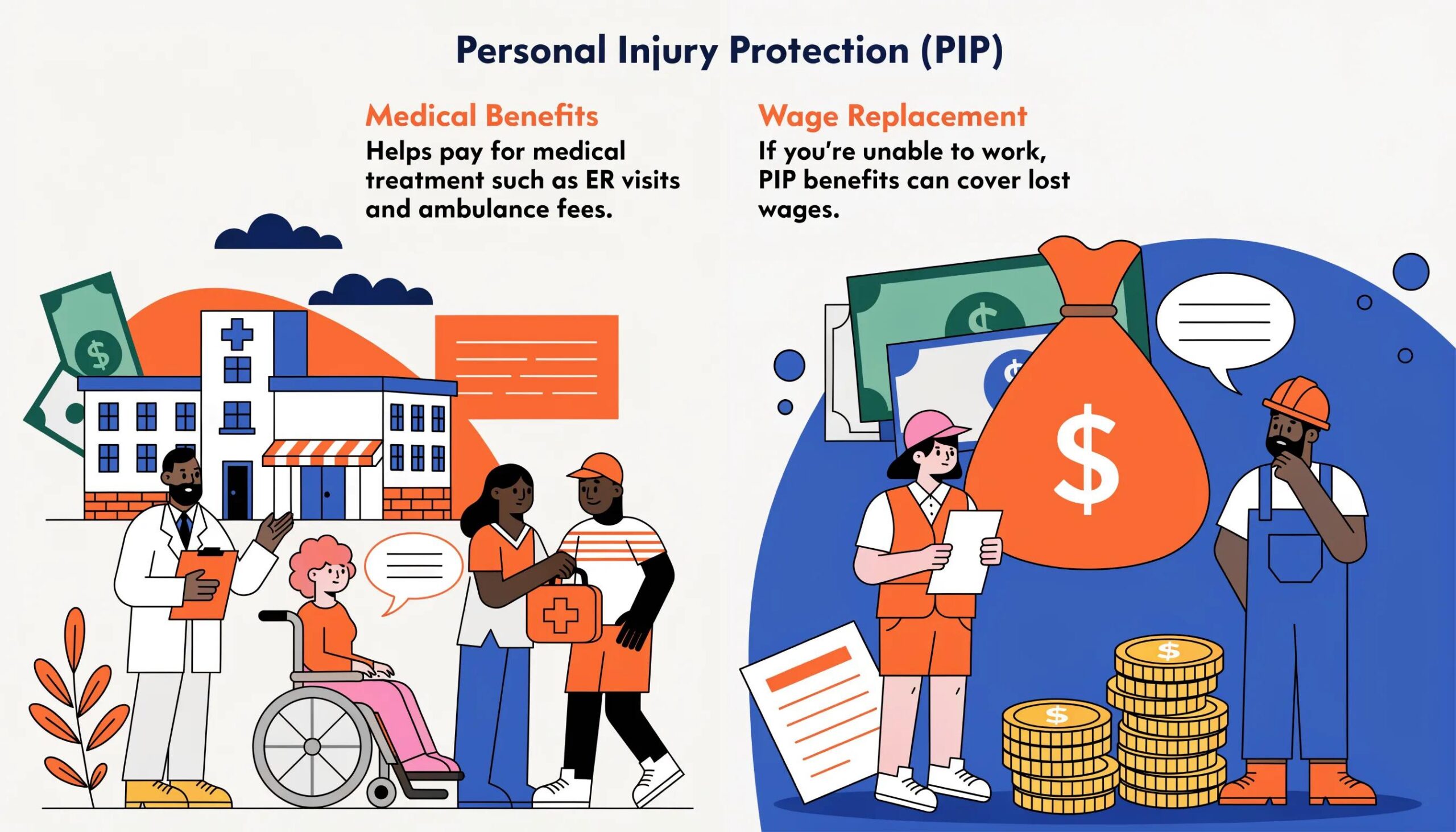
Minnesota’s no-fault insurance system is designed to streamline the process of recovering costs associated with car accidents without assigning fault to either party. Under this system, “Personal Injury Protection (PIP) benefits” come into play by covering medical expenses, lost wages, and other related costs incurred after an accident. This allows victims immediate access to required medical care without the delay of establishing liability.
The Minnesota No-Fault Act, codified at Minn. Stat. ���65B.44, provides a statutory framework for PIP benefits. It specifies a total basic economic loss benefit limit of $40,000, subdivided into: up to $20,000 for medical expenses and up to $20,000 for income loss, replacement service loss, and funeral expenses. This statutory cap plays a critical role in how PIP coverage is administered and limits the insurer’s payout obligations.
Understanding the structure of Minnesota’s PIP benefits is vital, as it differs significantly from traditional liability insurance. While liability insurance pays for damages caused to another party, PIP ensures that injured parties receive benefits without needing to determine who was at fault in the accident. This fundamental difference can reduce stress for accident victims as they focus on recovery rather than legal disputes.
How Does the Minnesota No-Fault Insurance Law Protect Car Accident Victims?
Minnesota’s no-fault insurance law provides essential protections for car accident victims, ensuring that they receive timely medical care and compensation for lost wages. Under this system, every driver is required to carry no-fault insurance, which guarantees that they can access benefits regardless of fault. Victims can claim coverage for necessary medical bills, which includes hospital stays, emergency treatment, and ongoing care.
Additionally, this insurance law facilitates wage replacement for those unable to work due to their injuries, providing a crucial financial safety net during recovery. Emotional damages are often overlooked by traditional insurance models but are also compensated under Minnesota’s no-fault insurance, acknowledging the psychological impact of car accidents.
What Types of Injuries and Expenses Does PIP Cover in Minnesota?
PIP coverage in Minnesota includes various injuries and expenses that may arise following a car accident. This typically encompasses medical costs related to treatment for physical injuries, rehabilitation services, and even necessary homemaker services if injured parties are unable to perform daily tasks.
Non-economic losses, such as pain and suffering, generally do not qualify for PIP benefits, reflecting the full impact of the accident on an individual’s life. It is essential for victims to document their injuries and related expenses thoroughly to ensure they maximize their benefits under Minnesota’s PIP coverage.
How Do You File a PIP Insurance Claim After a Car Accident in Minnesota?
Filing a PIP insurance claim after a car accident in Minnesota follows a structured process designed to ensure efficient recovery. Understanding the key steps involved can significantly ease the filing experience and improve the likelihood of a successful claim.
What Are the Key Steps to Filing a Minnesota PIP Claim?
- Gather Necessary Documentation: Collect all relevant documentation, such as accident reports, medical records, and any correspondence with insurance companies.
- Complete the Claim Form: Fill out the Minnesota PIP insurance claim form accurately, ensuring that all required information is provided.
- Submit the Claim: Send the claim form along with relevant documents to your insurance provider.
- Follow Up on Claim Status: Regularly check in with your insurance company to monitor the progress of your claim.
Being organized and proactive throughout this process can help ensure a smoother resolution of your claim.
What Are the Minnesota PIP Benefit Limits and Deadlines?
Understanding the benefit limits and deadlines associated with Minnesota’s PIP claims is crucial for optimizing recovery outcomes. Typically, PIP coverage is subject to certain financial limits, which dictate how much can be claimed for medical expenses and lost wages. Timely filing is also essential, as claims must generally be submitted within specific deadlines post-accident to ensure eligibility for benefits.
To illustrate the limits and timeframes involved, the following table provides a clear overview of the key aspects related to Minnesota’s PIP benefits, based on statutory law and common insurance practices:
These benefit limits highlight the importance of understanding how PIP works in Minnesota to ensure that victims can adequately compensate for their needs post-accident.
Procedural Guidance: Insurer Tactics and Arbitration
Following a PIP claim, insurers in Minnesota may require an Adverse or Independent Medical Examination (IME) to verify injury claims. These IMEs can be used to limit or terminate benefits. If the insurer attempts to cut off PIP benefits, the injured party has statutory rights to dispute this decision.
Minnesota law provides for mandatory binding arbitration through the American Arbitration Association (AAA) for disputed PIP claims of $10,000 or less. This process ensures claims can be resolved efficiently without prolonged litigation, offering a practical avenue for claimants to challenge insurer decisions. Attorney Marty Judge of Judge Law Firm, LLC, specializes in guiding clients through this complex arbitration and negotiation process within the Minneapolis and St. Paul (Twin Cities) legal environment.
What Is the Medical Threshold in Minnesota and How Does It Affect Third-Party Lawsuits?
The medical threshold in Minnesota is a legal benchmark that determines eligibility to pursue third-party lawsuits after a car accident. This threshold mandates that individuals sustain serious injuries before they can file a personal injury claim against another driver, making it essential for victims to comprehend its implications fully.
The relevant statute, Minn. Stat. ���65B.51, sets forth specific tort threshold requirements that must be met to pierce the state’s no-fault immunity and pursue third-party non-economic damages such as pain and suffering. The exact requirements are:
- Medical expenses exceeding $4,000, with some calculations excluding diagnostic x-rays and MRI scans;
- Sixty (60) days or more of disability or inability to engage in substantially all customary activities;
- A permanent injury diagnosed by a medical provider;
- Permanent disfigurement or death.
Which Injuries Qualify Under the Minnesota Medical Threshold Law?
Injuries that may qualify under the Minnesota medical threshold law typically include severe injuries such as permanent disfigurement, fractures, or significant therapy requirements. Additionally, emotional distress resulting from the accident can qualify for higher claims under these laws, emphasizing the need for thorough documentation of injuries and their effects.
How Does Meeting the Medical Threshold Enable Third-Party Lawsuits?
Meeting the medical threshold qualifies victims to pursue third-party lawsuits against other negligent drivers. This means that if an individual has experienced significant injuries as defined by Minnesota law, they may seek compensation beyond what PIP offers, including compensation for pain, suffering, and other economic losses. Understanding this concept can empower accident victims to navigate their rights effectively and seek the damages they deserve.
When and How Can You Pursue a Third-Party Car Accident Lawsuit in Minnesota?
Pursuing a third-party lawsuit in Minnesota can be a vital step for individuals trapped in serious circumstances following a car accident. Knowing when and how to take this action is crucial for maximizing compensation following an accident.
What Are the Grounds to Sue a Third Party After a Minnesota Car Accident?
- Negligence: If the accident was caused by another driver’s fault, this ground allows for a lawsuit.
- Recklessness: Involvement of reckless actions, such as driving under the influence, can strengthen a case against a third party.
- Defective Vehicle: If the accident resulted from a defect in the vehicle, parties responsible for the design or manufacture of the vehicle may also be liable.
Understanding these grounds can help individuals determine the merits of their potential legal claim against a negligent party.
What Is the Timeline and Process for Minnesota Third-Party Lawsuits?
The timeline for pursuing a third-party lawsuit in Minnesota usually spans several phases, beginning with the preparation of legal documents and extending through discovery, trial, and potential settlements. Here’s a simplified outline of the typical timeline:
- Initial Consultation (1-2 weeks): Meeting with a legal professional to assess the case.
- Filing the Lawsuit (1 month): Formal submission of the lawsuit to the court.
- Discovery Phase (3-6 months): Both sides gather evidence and exchange information.
- Mediation/Settlement Discussions (1-3 months): Attempts to resolve the case outside of court.
- Trial (if necessary): Usually occurs within two years of filing, depending on court schedules.
This process highlights how cases can stretch over an extended period, underscoring the importance of timely legal guidance and preparedness for ongoing negotiations. Attorney Marty Judge of Judge Law Firm, LLC, offers expert counsel throughout this process in the Twin Cities, ensuring strong representation of clients’ rights against negligent parties and insurers.
First-Party No-Fault (PIP) Benefits vs. Third-Party Bodily Injury Liability Claims
These distinctions are crucial for car accident victims in Minnesota to understand their rights and effectively pursue the available remedies within the limits of the law.
In the Twin Cities metro area, including Minneapolis and St. Paul, attorney Marty Judge and the team at Judge Law Firm, LLC offer focused legal advocacy. They bring in-depth knowledge of Minnesota no-fault law, statutory thresholds, insurer practices, and litigation strategies to help maximize client recoveries and navigate the complexities of insurance claims and lawsuits effectively.