Get Your Free Consultation Today
Commonly Asked Questions About Rear-End Collision Claims
By Judge Law Firm, LLC Editorial Team · Updated 2026-08-30
Rear-end collisions represent one of the most common types of motor vehicle accidents faced by drivers in Minneapolis, St. Paul, and throughout the greater Twin Cities metro area. These crashes not only cause significant vehicle damage but can result in serious physical injuries and emotional trauma. Victims often find themselves overwhelmed by medical bills, insurance disputes, and complex legal procedures following a collision.
Judge Law Firm, LLC, based in Inver Grove Heights, MN, has extensive experience guiding rear-end collision victims through the legal process, protecting their rights, and securing fair compensation. This authoritative legal resource is designed to educate Twin Cities motorists about what to do after a rear end crash, Minnesota’s no-fault insurance laws, injury claims, fault determination, and how our experienced attorneys can advocate on your behalf.
Understanding Rear-End Collisions in Minneapolis and the Twin Cities Metro Area
Rear-end collisions occur when a vehicle crashes into the back of another car, often caused by tailgating, distracted driving, sudden stops, or poor weather conditions. With Minnesota roads like Highway 55, I-94, and busy downtown corridors experiencing heavy traffic congestion, the risk of these crashes rises significantly.
In these incidents, the trailing driver is typically presumed at fault, but Minnesota law allows for exceptions based on specific evidence. Understanding the factors and nuances in rear-end collisions is critical to successfully pursuing a rear end injury claim in the Twin Cities.
Statistical Context and Common Causes
- Heavy commuter traffic increases likelihood of rear-end collisions in Minneapolis and St. Paul.
- Tailgating, distracted driving, and brake failures are frequent contributing factors.
- Rear-end collisions may result in property damage, physical injuries, or in severe cases, fatalities.
Immediate Steps to Take After a Rear-End Crash in St. Paul / Minneapolis
Acting promptly and correctly after a rear-end collision can preserve evidence, protect your legal rights, and enhance your chances for compensation:
- Ensure Safety: Move to a safe location if possible; call 911 immediately if anyone is injured.
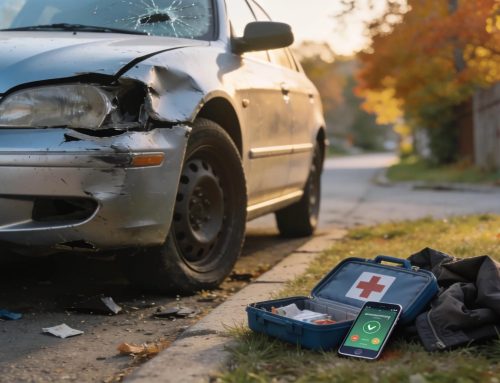
- Document the Scene: Take photographs of all vehicle damage, license plates, road conditions, and any visible injuries.
- Exchange Information: Gather names, addresses, phone numbers, drivers’ license numbers, and insurance details from all involved parties and witnesses.
- Seek Medical Attention: Get a medical evaluation even if injuries are not immediately apparent to document potential delayed symptoms.
- Do Not Admit Fault: Avoid discussing blame at the scene or with insurance adjusters before consulting a lawyer.
- Contact an Experienced Attorney: As soon as possible, reach out to a qualified rear end collision attorney Minneapolis trusts to understand your rights and legal options.
Minnesota No-Fault Auto Insurance Act (Minn. Stat. § 65B.44): PIP Coverage Explained
Minnesota’s no-fault insurance laws are codified under Minn. Stat. § 65B.44. All auto insurance policies must provide Personal Injury Protection (PIP) coverage to pay for economic losses regardless of fault. Key PIP benefits include:
- Up to $20,000 in medical expenses related to the accident
- Up to $20,000 for wage loss due to temporary disability
- Coverage for replacement services and funeral expenses in fatal cases
PIP coverage is designed to quickly compensate injured victims for economic harms. However, it does not cover non-economic damages like pain and suffering or permanent disability, which require a third-party claim under certain conditions (see below).
Overcoming the No-Fault Tort Thresholds (Minn. Stat. § 65B.51): When You Can File a Third-Party Lawsuit against the At-Fault Driver
Minnesota’s no-fault system limits lawsuits against the at-fault driver unless injuries meet specific thresholds defined in Minn. Stat. § 65B.51. You can step outside no-fault and file a third-party lawsuit if one or more of the following apply:
- Reasonable medical expenses exceed $4,000
- Disability lasting more than 60 days
- Permanent disability or impairment
- Permanent disfigurement
- Death resulting from the collision
Meeting these thresholds is critical to pursuing damages for non-economic harms like pain and suffering, and for full compensation beyond your insurer’s PIP benefits.
Common Rear-End Crash Injuries: Whiplash, Cervical Spine Trauma, Herniated Discs, Concussions / TBI, and Soft Tissue Damage
Victims of rear-end collisions frequently suffer injuries that may not be apparent immediately but can have lasting impacts. Common injuries include:
- Whiplash: Sudden jerking motion causes neck muscle and ligament strain.
- Cervical Spine Trauma: Injury to vertebrae or discs in the neck which can impair mobility.
- Herniated Discs: Displacement or rupture of spinal discs causing nerve pain and numbness.
- Concussions and Traumatic Brain Injuries (TBI): Impact may cause cognitive changes and long-term neurological damage.
- Soft Tissue Damage: Sprains, strains, and bruising affecting muscles and ligaments.
Because symptoms such as headaches, dizziness, or numbness often develop days later, early medical diagnosis and ongoing documentation play a vital role in establishing injury severity for claims.
Determining Fault, Liability, and Comparative Fault (Minn. Stat. § 604.01) in Minnesota Rear-End Crashes
In rear-end collisions, Minnesota law generally presumes the trailing driver at fault due to the duty to maintain safe following distance. However, fault and liability can be complex:
- Comparative Fault: Under Minn. Stat. § 604.01, damages may be reduced proportionally if the injured party is partly at fault.
- Exceptions to Presumption: Fault may shift to the lead driver if they made sudden lane changes, reversed improperly, or had malfunctioning brake lights.
- Evidence: Traffic camera footage, eyewitness testimony, and vehicle damage patterns are crucial to proving fault allocation.
Understanding comparative fault is essential, as Minnesota follows a pure comparative fault system allowing recovery even if the plaintiff is partially responsible.
Calculating Damages & Settlement Value: Economic vs. Non-Economic Damages, Pain and Suffering, Future Medical Costs
Accurately calculating the value of a rear-end injury claim involves considering:
- Economic Damages: Medical bills, rehabilitation costs, lost wages, lost earning capacity, and property damage.
- Non-Economic Damages: Pain and suffering, emotional distress, loss of enjoyment of life, and permanent impairment.
- Future Medical Costs: Anticipated treatments, therapy, surgeries, and assistive care.
Insurance companies often undervalue claims, which is why retaining a skilled rear end collision attorney Minneapolis victims trust is vital to negotiating fair settlement amounts.
The Minnesota Statute of Limitations for Personal Injury and Wrongful Death Claims
Timely legal action is critical. Under Minnesota law:
- Personal Injury Claims: Must be filed within 2 years of the accident date.
- Wrongful Death Claims: Typically must be filed within 3 years of death caused by wrongdoing.
Missing these deadlines usually results in losing the right to pursue compensation, underscoring the importance of contacting a lawyer promptly after a rear-end collision.
How an Experienced Personal Injury Lawyer at Judge Law Firm, LLC Protects Your Rights against Insurance Company Tactics
Insurance companies may attempt to minimize payouts through use of delayed settlements, disputing injury severity, or asserting comparative fault. Judge Law Firm, LLC offers specialized legal advocacy to:
- Conduct thorough investigations and gather compelling evidence
- Work with medical experts to accurately establish injury extent
- Negotiate assertively with insurance adjusters to increase settlement offers
- File lawsuits when necessary to protect your full legal rights
Our contingency fee model means no attorney fees unless we recover compensation for you. Free consultations give Twin Cities accident victims a risk-free opportunity to understand their legal options.
Frequently Asked Questions (FAQ) Regarding Rear-End Collision Claims in the Twin Cities
Who is at fault after a Minneapolis rear-end crash?
Generally, the trailing driver is presumed responsible due to vantage point and duty to maintain distance, but exceptions exist depending on crash dynamics and evidence.
What should you do immediately after a rear-end collision in St. Paul or Minneapolis?
Ensure safety, call 911, document the accident scene, seek medical evaluation, exchange information, and consult a qualified attorney promptly.
How does Minnesota’s no-fault insurance law affect my claim?
Under Minn. Stat. § 65B.44, your own insurer pays PIP benefits to cover medical and wage losses regardless of fault but only up to $20,000 each. To pursue broader damages, you must meet the tort thresholds in Minn. Stat. § 65B.51.
What role does comparative fault play in a rear-end collision claim?
Minnesota’s pure comparative fault law (Minn. Stat. § 604.01) means your recovery can be reduced by your percentage of fault, but you still may recover damages even if partially responsible.
How much can I expect my rear end settlement amount to be in Minnesota?
Settlement amounts vary widely depending on injury severity, medical expenses, and long-term effects. Effective legal representation can significantly influence outcomes.
Contact Judge Law Firm, LLC for a Free Case Evaluation
Have you been injured in a rear-end collision in Minneapolis or St. Paul? Protect your rights and maximize your compensation by consulting the experienced personal injury attorneys at Judge Law Firm, LLC. Our knowledgeable team understands Minnesota law and insurance company tactics, offering compassionate, authoritative guidance through every step of your claim.
Judge Law Firm, LLC remains committed to supporting Twin Cities residents with trusted, effective legal counsel in rear-end collision cases. Contact us to learn how we can assist you in navigating the complexities of Minnesota’s personal injury laws and recovering the justice you deserve.